 Way
Way 

Destinations · Europe
One continent.
A degree for every dream.
Europe isn't a single destination. It's a network of unique national systems that happen to share a map. We help Indian students cut through the noise and build a shortlist that fits your subject, your budget, and your family.
 Madrid · Spain
- Country
- Language
- Tuition
- Visa & residence
- City cost
- After graduation
01 — The map
Where students from India actually go
Start with the destination that fits your subject and where it leads, and your timeline, then compare it against the two or three nearest alternatives. Never the other way round.
 Primary destination
United Kingdom
Fully English-taught, one-year master's degrees, a familiar centralised application system and the deepest alumni network back home. For most students comparing Europe, this is the first serious entry on the shortlist.
Study in the UK →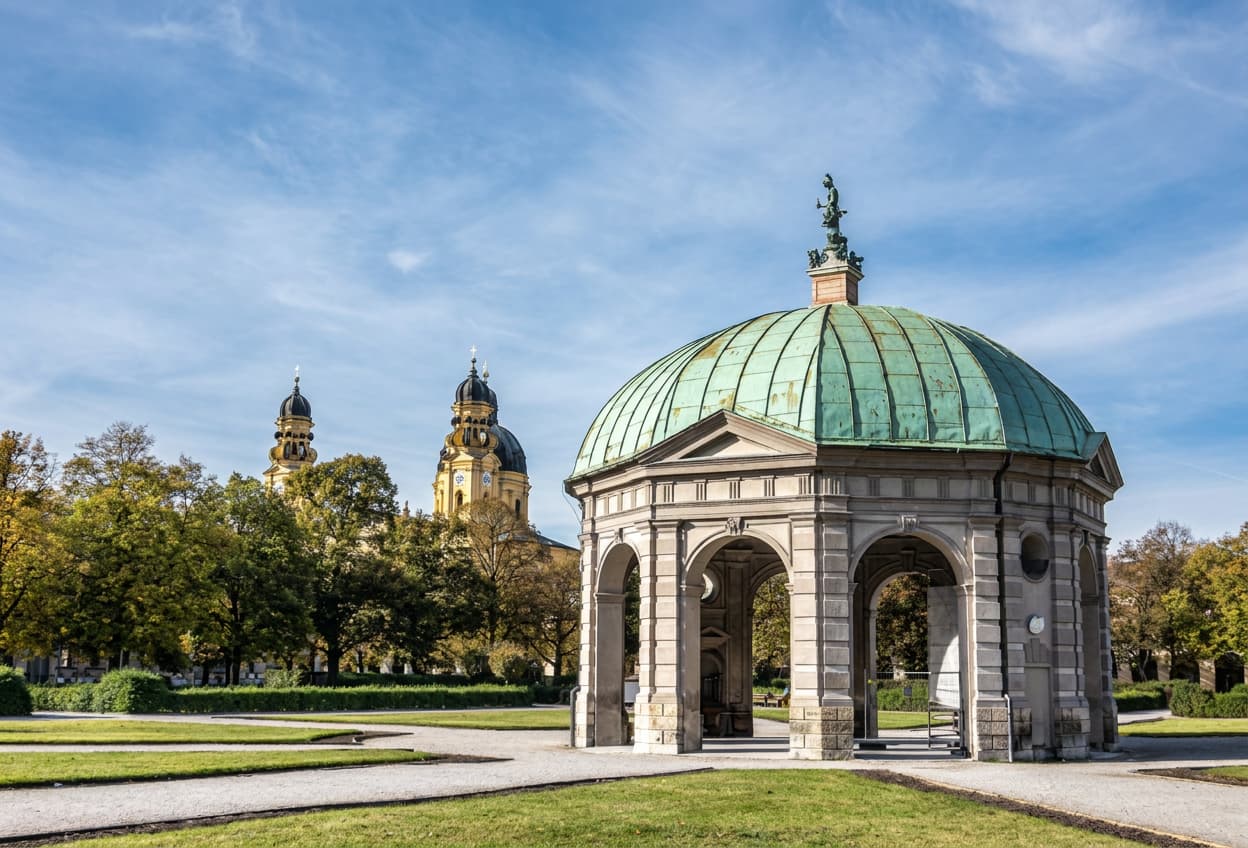 02Engineering · Low tuition
Germany
Technical depth, low or no tuition at public universities, and paperwork that rewards starting early.
 03English-taught · Applied
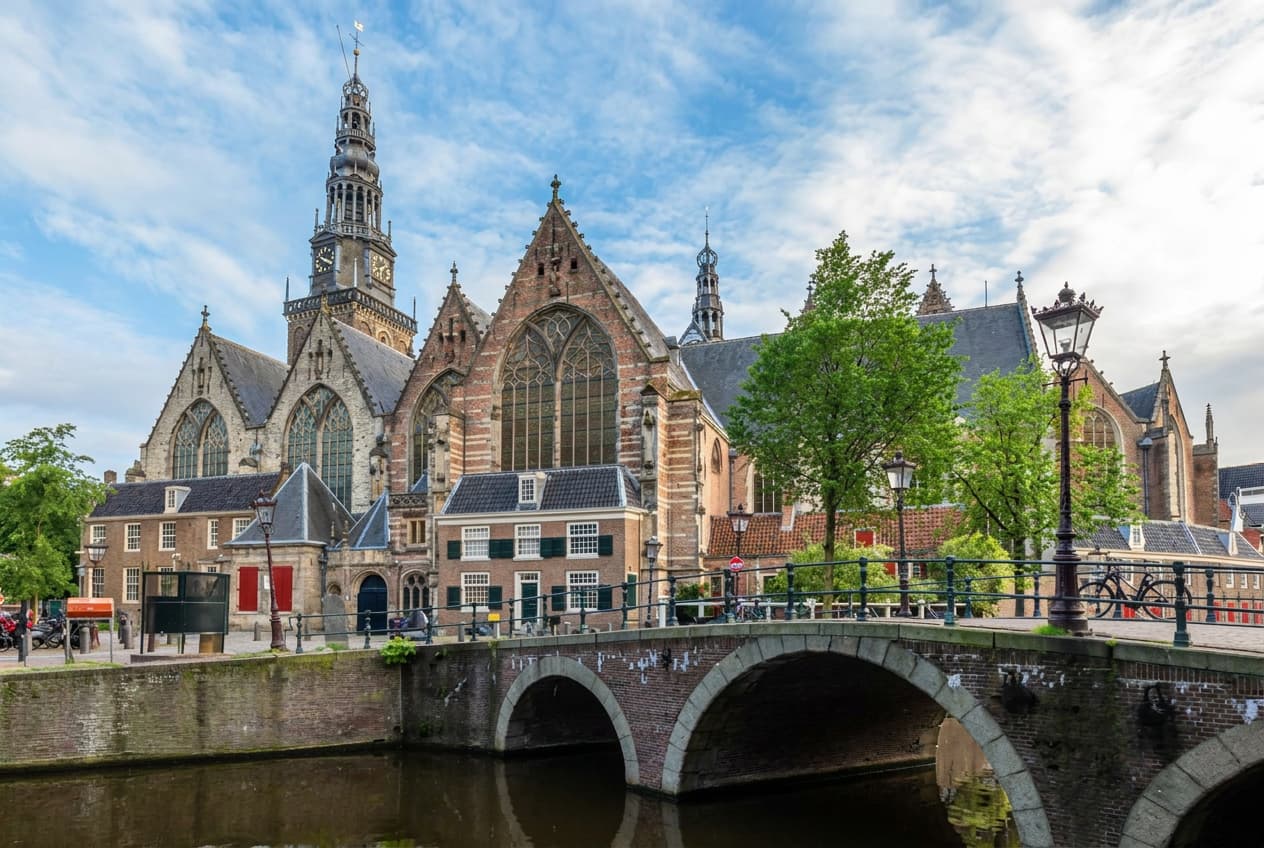
Netherlands
One of Europe's widest English-taught catalogues and a hands-on, project-based teaching style.
 04Spain · Italy · Portugal
Southern Europe
Design, fashion and business schools — often at lower living costs.
 05France · Nordics
France & the North
Lower-tuition public routes, with language expectations worth checking early.
06CompareWeighing Europe against the US, Canada or Australia?
See every destination side by side.
All destinations →02 — The comparison
Five things that change at every border
Europe can be outstanding value — but only when these are compared properly, not assumed to be the same everywhere. This is the work we do with you first.
-
 01System & structureResearch university, university of applied sciences or specialist school — each teaches, assesses and admits differently.
-
 02Language of instructionFully English-taught, partly local, or an English degree in a non-English city. The daily reality is not the same.
-
 03Total budgetTuition is only part of it. Living cost, health cover, deposits and travel move the number city by city.
-
 04Visa & residenceDocuments, funds evidence and registration are set nationally — and the timelines rarely line up.
-
 05What comes afterPost-study stay and work rights vary widely. Worth knowing before you apply, not after you arrive.

Beyond the offer
An offer letter is the middle of the process
The decisions that follow are the ones families feel most. We stay through that stretch — and keep parents informed on cost, safety and welfare without making the plan parent-led.
- Final choice
- Scholarships
- Tuition planning
- Visa & residence
- Accommodation
- Travel timing
- Settling in
03 — The support
Everything we can carry for you
Take the whole set or only the parts you need. Each one works the same way for a European plan as it does anywhere else.
 01
01Application support
Shortlisting, documents, statements and deadlines in the right order.
 02
02Study visa support
Country-specific requirements, funds evidence and registration steps.
 03
03Scholarship guidance
Which awards you are genuinely eligible for — and when they close.
 04
04Tuition support
Fee structures, instalments and total-cost planning families can hold to.
 05
05Postgraduate applications
Master's and research routes, with the profile they expect.
 06
06Student mentorship
Someone to think out loud with, from shortlist to first term.
 07
07Guardianship & companionship
On-the-ground support and a named contact families can reach.
 08
08Summer programmes
Short courses that test a country and a subject before you commit.
04 — The route
How a Europe plan usually starts
- 1Get the direction clearSubject, course level, language comfort and a budget everyone at home agrees on.
- 2Compare countries by fitUniversity type, city, teaching style and English-taught options, measured against your profile.
- 3Identify what needs supportApplications, funding, visa or residence, and the transition once you arrive.
- 4Turn it into a next actionA shortlist, a timeline, and the one thing to do this month.
Before you commit
Seven questions worth answering first
If you can answer these, the shortlist writes itself. If you cannot, that is exactly where we start.
- 01Which country genuinely fits your subject, budget and language needs?
- 02Is the programme fully English-taught, or partly dependent on another language?
- 03How do application systems and documents differ between your shortlisted countries?
- 04What visa or residence preparation applies to that specific country?
- 05How do tuition, living costs, health cover and travel compare city by city?
- 06What type of institution suits how you actually learn?
- 07What do your parents need answered about safety, distance and long-term value?

Start here
You do not have to decide the whole thing today
Most good Europe plans start with one conversation that makes the map smaller. Tell us your subject, your budget and what your family needs to know. Read how other students decided, or meet us at an upcoming fair or briefing.